 Synvolve Solutions
Wholesale automation solutions empower B2B companies to streamline repetitive tasks, boost order accuracy, and enable real-time data flow across platforms. By integrating AI agents with ERP and CRM systems, businesses can automate order management, inventory updates, and client communication—minimizing manual effort and reducing errors. Leading wholesale automation solutions connect AI agents to platforms like SAP, Oracle NetSuite, Salesforce, and Microsoft Dynamics via robust APIs or custom connectors, creating a unified workflow that helps sales teams respond quickly and deliver a superior customer experience.
The Role of AI Agents in Modern Wholesale: Key Functions and Business Impact
An AI agent for wholesale is a digital solution designed to autonomously manage essential B2B operations, reducing manual intervention. In today’s fast-paced environment, these systems automate order processing, handle incoming requests, generate sales analytics, and monitor inventory in real time.
Custom AI automation for wholesale orders can adapt to each business’s workflows, supporting multichannel sales, seasonal changes, and unique client needs. Deploying an AI agent can cut order processing times by up to 70%, reduce human error, and provide transparency across operations.
Core Tasks Managed by an AI Agent in Wholesale
- Order Automation: Automates order capture, validation, and fulfillment.
- Inventory Synchronization: Maintains accurate stock data across all channels.
- Customer Segmentation: Groups clients for targeted engagement based on purchase patterns.
- Demand Forecasting: Uses predictive analytics to anticipate sales trends and inventory needs.
- Credit Control: Monitors balances and automates reminders or holds as needed.
Wholesale automation solutions powered by AI integrate these functions into a unified ecosystem, operating 24/7 and scaling as your business grows. Whether integrating with SAP, Oracle NetSuite, Salesforce, or other ERP/CRM systems, a well-implemented AI agent ensures robust, responsive wholesale business process automation.
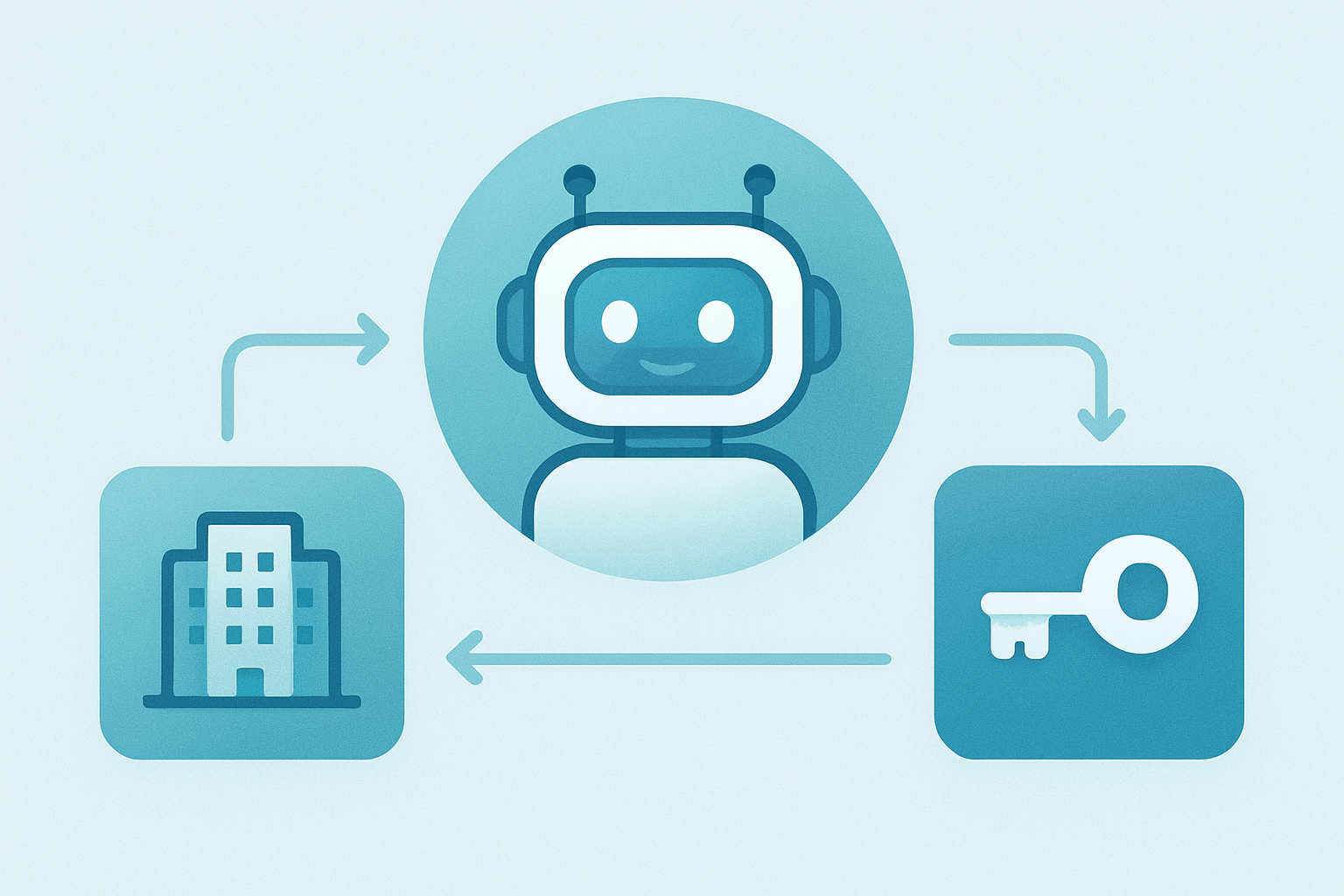
How Leading ERP and CRM Systems Enable Wholesale Automation Solutions
When considering an AI agent for business, it’s important to understand the role of global ERP and CRM platforms like SAP, Oracle NetSuite, Salesforce, Zoho, Microsoft Dynamics, and Odoo.
ERP systems such as SAP and Oracle NetSuite centralize inventory, logistics, procurement, and financial workflows for wholesale distributors. These platforms automate documentation, streamline purchasing, and deliver analytics for cost management, ensuring accuracy and agility in large-scale transactions.
CRM solutions like Salesforce, Zoho, and Odoo focus on customer management—tracking deals, automating communications, and managing the order lifecycle. Integrating CRM systems with AI automation for wholesale orders synchronizes sales pipelines, maintains comprehensive client histories, and ensures proactive support.
Combining ERP and CRM platforms enables true wholesale business process automation. For example, syncing SAP or Microsoft Dynamics with Salesforce or Zoho creates seamless data flow from inquiry to fulfillment and financial closure, eliminating manual entry and reducing processing times.
A practical example is our case study on wholesale automation solutions with AI-driven business scenarios, showing the impact on multi-channel operations. Layering in an AI agent for business further streamlines back-office tasks, automates order validation, and delivers real-time insights.
Leveraging top-tier ERP and CRM platforms, enhanced by AI automation and robust integration, allows wholesale businesses to scale efficiently, improve accuracy, and deliver a better customer experience.
Technical Integration of AI Agents with ERP and CRM: Approaches, Challenges, and Solutions
Unlocking the benefits of wholesale automation solutions requires seamless technical integration across business systems.
Integrating AI Agents with ERP and CRM
Automating wholesale business processes typically involves integrating with platforms like SAP, Oracle NetSuite, Salesforce, Zoho, Microsoft Dynamics, and Odoo. These systems manage orders, inventory, customer interactions, and analytics. Connecting an AI agent for wholesale business involves robust APIs, webhooks, and middleware. Challenges include data format inconsistencies, API limits, and varying documentation. For SaaS automation, scalability and security are priorities.
A proven integration framework includes:
- Technical Audit: Assess system interfaces (REST API, SOAP, database connections) for platforms like SAP or Salesforce.
- Synchronization Strategy: Define data exchange direction, update frequency, and critical business scenarios.
- Middleware Development: Map and validate data fields, ensuring consistent processing of orders, inventory, and customer data.
- Logging and Monitoring: Set up logs to detect and resolve data mismatches or sync failures.
- Access Control: Implement encryption, permissions, and activity auditing.
- Real-World Testing: Validate reliability and performance under realistic order volumes.
Custom integration is often more effective than generic connectors, aligning the AI agent with your business logic. For manufacturing-specific automation, see: AI agent for manufacturing.
Practical Example: Implementing an AI Agent in Wholesale
Once technical feasibility is established, follow this pathway to embed an AI agent into your wholesale operations.
Key Phases of Implementation
- Business Process Audit: Review workflows to identify bottlenecks and automation opportunities. Interview stakeholders, map pain points, and set KPIs. Assess required ERP (SAP, Oracle NetSuite, Microsoft Dynamics) and CRM (Salesforce, Zoho, Odoo) integrations.
- MVP Development: Build a Minimum Viable Product automating core order processing, integrating with ERP/CRM, and providing analytics. Tailor workflows for multichannel sales and business logic.
- Deployment: Roll out in phases to minimize disruption. Manage data migration incrementally and train staff on new workflows.
- Monitoring: Track metrics like order processing time and customer satisfaction (NPS) in the first month to measure the impact of wholesale business process automation. For more, see: business process automation with ai.
Client Testimonial
“The AI agent Synvolve Solutions delivered allowed us to handle more orders without increasing staff. We launched the MVP in two months. Our sales team now spends less time on repetitive tasks and more on growing our customer base.”
Measuring the Impact: Before and After AI Agent Implementation
To evaluate wholesale automation solutions, benchmark key metrics before and after deploying an AI agent.
For B2B wholesale, focus on order processing time, error rates, staff workload, and customer satisfaction (NPS). Before automation, companies face slow processing, frequent errors, and high workloads—especially during peak seasons. Integrating an AI agent with ERP or CRM (SAP, Oracle NetSuite, Salesforce, Zoho, Microsoft Dynamics, Odoo) accelerates processing, reduces errors, and lets staff focus on value-added tasks.
Business Efficiency Metrics: Before vs. After AI Agent Deployment
| Metric | Before Automation | After Automation | Typical Change (%) |
|---|---|---|---|
| Order Processing Time | High (manual, slow) | Significantly reduced | –65% to –75% |
| Error Rate (per 100 orders) | Elevated | Substantially lower | –55% to –70% |
| Staff Workload (qualitative) | Heavy, unsustainable | Moderate to low | –30% to –50% |
| Customer Satisfaction (NPS) | Modest | Noticeably higher | +20% to +35% |
These improvements reflect real gains in agility, accuracy, and customer experience. Wholesale business process automation with custom AI agents unlocks efficiency and scalability for sustainable growth.
Checklist: Preparing for AI Agent Implementation in Wholesale
- Map Business Processes: Audit workflows to identify critical stages and bottlenecks for wholesale automation solutions.
- Set Objectives: Define measurable targets for your AI agent for wholesale business (e.g., reduce order processing time by 40%).
- Assess IT Infrastructure: Check ERP (SAP, Oracle NetSuite, Microsoft Dynamics) and CRM (Salesforce, Zoho, Odoo) compatibility, API readiness, and data security protocols for AI automation for wholesale orders.
- Choose the Right Partner: Select vendors experienced in wholesale business process automation, with proven B2B integrations and strong support.
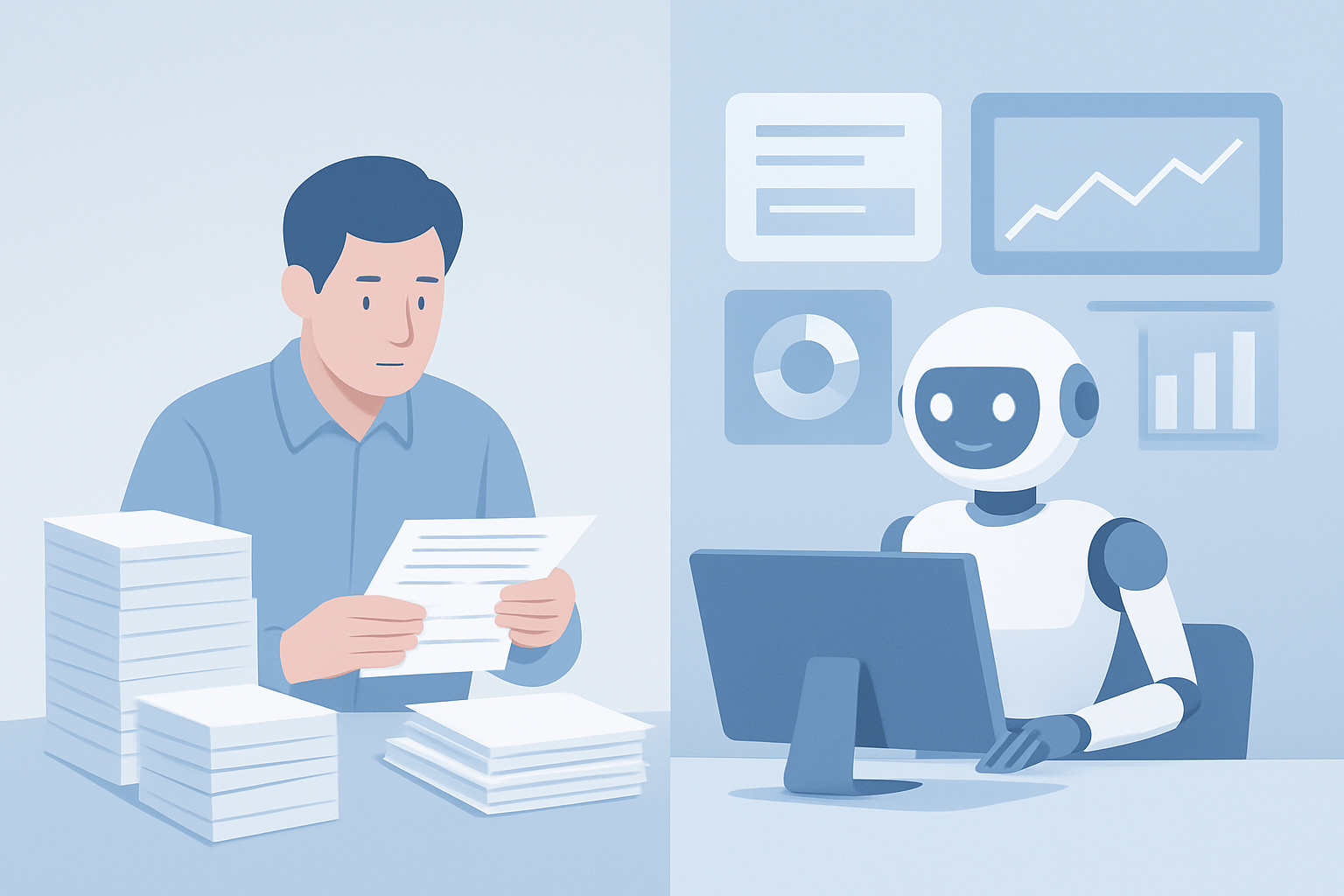
Supporting and Scaling Your Integrated Wholesale Automation Solution
After launching wholesale automation solutions, focus on reliability and scalability for long-term success.
To keep your AI agent for wholesale business performing within ERP and CRM systems (SAP, Oracle NetSuite, Salesforce, Zoho), set up automated alerts for errors, monitor response times, and verify data accuracy. Establish a support agreement with your technology partner, defining response times for critical issues.
Scaling means expanding to new sales channels, markets, or adding features—such as new order automation workflows or real-time analytics. Develop a roadmap: assess projected loads, validate cross-system compatibility, and test thoroughly before launching new capabilities.
Working with a partner like Synvolve Solutions ensures proactive business process automation development for wholesale, so your AI automation for wholesale orders evolves with your business.
Key Takeaways
- Begin with a detailed audit to identify bottlenecks—crucial for integrating an AI agent with your ERP and CRM systems (SAP, Oracle NetSuite, Microsoft Dynamics, Salesforce, etc.).
- Customize your AI agent to fit your wholesale workflows, supporting multichannel sales and diverse customers.
- Ensure robust integration via APIs, middleware, and monitoring to minimize system failures and data loss—critical for wholesale automation solutions.
- Track performance after launch: monitor order processing times, error rates, and staff workload to optimize further.
With a strategic approach, an AI agent integrated with your ERP and CRM stack can help scale your wholesale business, reduce overhead, and deliver better customer service. Start with process analysis and move toward next-generation business process automation.
Frequently Asked Questions
Can an AI agent make autonomous decisions in complex wholesale scenarios?
Yes, an AI agent for wholesale can autonomously make decisions in complex B2B situations—such as order prioritization, inventory management, and customer segmentation—by leveraging real-time data from integrated ERP and CRM systems.
What are the main benefits of integrating an AI agent with BAS and KeyCRM?
Integrating an AI agent with BAS and KeyCRM streamlines order processing, improves data accuracy, automates repetitive tasks, and provides insights—resulting in faster workflows, fewer errors, and better customer experiences.
Is staff retraining necessary after implementing an AI agent?
Some retraining is usually needed, as employees must adapt to new workflows, interact with automated systems, and use data-driven insights for decision-making.
What risks should businesses consider when deploying AI agents in wholesale?
Risks include data integration challenges, potential downtime during transition, cybersecurity vulnerabilities, and the need for ongoing monitoring to ensure the AI aligns with business goals and compliance.
Can AI agent-based solutions be scaled across multiple warehouses or branches?
Yes, AI agent-based wholesale automation solutions can be scaled across multiple warehouses or branches by using centralized data management and standardized ERP/CRM integration, ensuring consistent and efficient operations.